
Dear Friends and Partners:
Happy New Year to You and Your Family from the Bridge Team and our Harvesters around the world! We thank you for taking an interest in The Bridge, whether you are a newcomer to our ministry or have been part of our support system for many years.
A special thanks to those of you who contributed to The Bridge financially last year. Your itemized 2023 Donor Statement is included in this letter. It serves as the official contribution receipt for the IRS. Please keep it in a safe place with your tax information. The Bridge International, Inc. is registered with the Internal Revenue Service as a non-profit, 501(c)(3) religious organization with EIN no. 65-0100609; your contributions are therefore exempt from Federal Taxes.
Also, a special thanks to The Bridge Intercessory Group and to all taking time from daily life and regularly prayed and interceded for the mission fields and our partners abroad. You have moved God’s heart, resulting in Him answering so many prayers in miraculous ways on behalf of us all!
LEAVING ONE ERA AND ENTERING A NEW ONE
Last month’s Christmas issue of The Bridge Report focused on the 40th Anniversary of this ministry since its inception, which was just before Christmas, 1983. In summarizing the 2023 Annual Report, I now reflect back on these forty years with tears of overwhelming joy, along with a sense of deep gratitude and humility toward The Lord entrusting me with the stewardship of the vision and the direction for The Bridge.
Also, grateful for the privilege of serving in His Kingdom with hundreds of dedicated partners on the home front and faithful Harvesters abroad having enthusiastically and sacrificially committed themselves and their resources to do their part fulfilling the Great Commission, Matthew 28:18-20.
ON A PERSONAL NOTE: Steve and I, and also our donor base, have aged with the decades. We have for some time given thought to the fact that the time would come when we would need to downsize, and maybe transfer The Bridge Stateside into the hands of a younger generation. This has no bearing on our mission partners in the nations, whom we also call HARVESTERS. This became more urgent when, in May, 2021 I contracting Covid and in January 2022 began to experience rather severe after effects of the illness, very similar to the inflammation of rheumatoid arthritis. This has impaired me quite a bit, so we sold our home last year and moved to a lovely Assisted Living Facility in Fort Lauderdale. We prayed that if our Lord wanted The Bridge to continue its ministry to the nations, He would send us His choice of the right person at the right time. That did indeed happened quite miraculously a few months ago!
NEW ADMINISTRATION: I am delighted to introduce you to the new Executive Director of the Bridge International, Timothy Jurjevich. He is a Dutch-American, born to missionary parents in Sarajevo, Bosnia who grew up partially in Holland and partially in the States. Tim is an entrepreneurial businessman with a heart for missions. He is 33 years old and lives in South Carolina with his wife, Julianne and two children, with a third on the way. The transition will happen in February. I have full confidence that, by the grace of God, Timothy will fulfill HIS continued call and mission of The Bridge with a new administrative crew and new technological tools, bringing the message of the Great Commission to a new generation of givers assisting him to take good care of our Harvesters in the field! I want to encourage all of you who have faithfully been with us, many for decades, to continue partnering with the new leadership on their new adventure! I will not be part of the administrative staff, but will function in a more advisory capacity as a Board member. …”One generation shall praise Your works to another, and shall declare Your mighty acts… “ Psalm 145:4
2023 IN REVIEW — THE HARVESTERS
BOSNIA AND THE BALKAN REGION – Robert and Sandrina Jurjevich live in Sarajevo, Bosnia where Robert pastors a local church in the Muslim part of the city. They are involved in the entire Balkan region through The Balkan Call, where Robert is one of the leaders, and the Church of God Croatia Networks. Through these networks, they have seen forgiveness take place between pastors from different Balkan countries, and a growing unity and answer to prayer for the Balkans. They oversea a fellowship which is one of the few evangelical churches in a Balkan country where there are only 450 Christians. Sandrina, with her assistant Astrid, oversee their pro-life center, The Lighthouse. Through their online presence, they share the gift of life with abortion-minded women who contact them. In a nation where women do not receive much information on healthy pregnancies, they conduct informative class sessions for pregnant women, provide baby clothes and needed items, and continue to visit many of whom they have served.
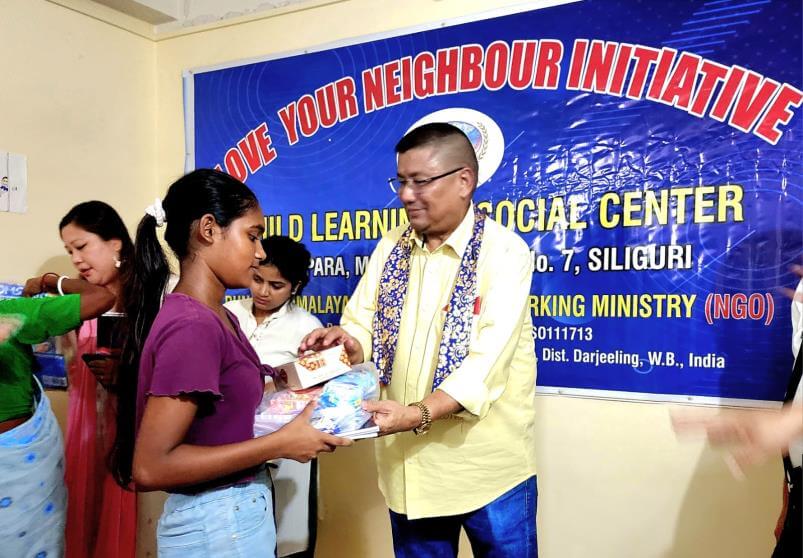
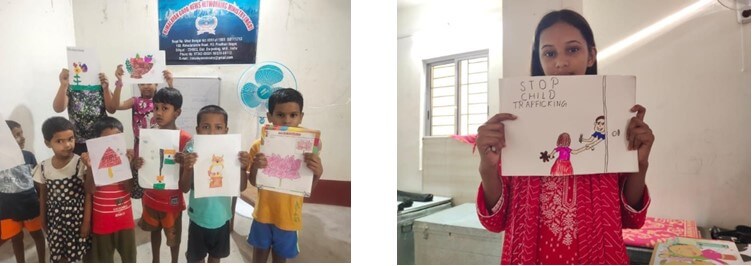
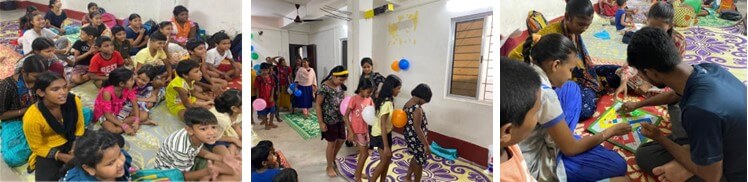
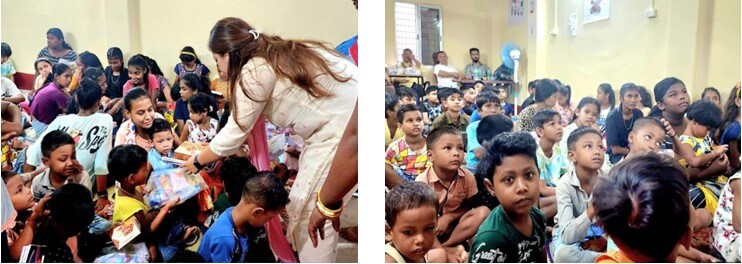
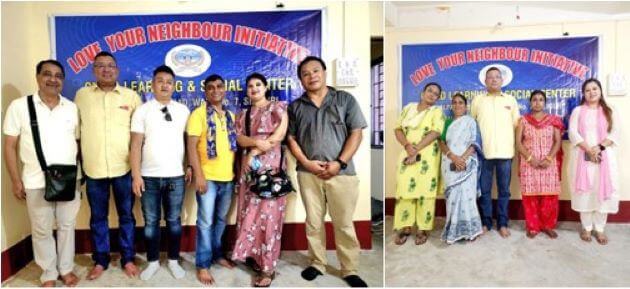
INDIA/BHUTAN/NEPAL: DAWA SINGYE BHUTIA lives with his family in Bhutan, from where he and his team at Himalayan Good News Networking Ministry continue raising up pioneer evangelists, training leaders and sending church planters, also to towns and villages in the more remote Himalayan mountains between Bhutan, India, Nepal and Tibet. Last year they focused on conducting leadership training sessions and Bible teaching to pastors and Christian leaders in Nepal. In September, through their Love Your Neighbor Initiative they established The Child Learning and Social Centre for children in the heart of the Red Light District in their city. In the midst of challenging circumstances, where the children are trapped in an environment of prostitution and child trafficking, the center is dedicated to providing a safe and nurturing environment for the children in their community
HAITI AND INDIA – Jeanette Felix and Sharon Cushing formed a new organization, Nexus for Good with the motto: Connecting Generosity to Need. They continue to sponsor their original school in Lespinasse and link with other grassroots missions that work in communities, like the school in Plateau-Anse-Rouge. They are also helping a school in a leper colony in northern India, where children are deprived of education. They are shunned by society for living in a leper community, although they do not have leprosy themselves. A rent-free building is being renovated and a few children are receiving a modest education, thanks to one lone Christian teacher who, through great personal sacrifice, has chosen to enter the colony and are teaching them. Two more courageous teachers are desperately needed. In Haiti, violent gangs attacked the village Lespinasse and the nearby areas. The school families abandoned everything, fled and settled temporarily in an outskirt of Port-au-Prince. The school is functioning in a leased building until it is safe to return to Lespinasse.
IRAN AND TURKEY – Sargon and Nadezhda Daniali Chamaki live in Ankara, Turkey, but have also a home in Almaty, Kazakhstan where their four adult children live. Their oldest son got married a few months ago. Sargon is fluent in several languages and has been involved in translating the Bible and many teaching/training books for his and other organizations into Farsi. He is also a gifted teacher, both in person and online. Added to this, he oversees many home churches in the country where he lives, as well as his home country and other nations in the region. Having the heart of an evangelist, Sargon is ever keen to hear where Holy Spirit may be leading him to bring the Gospel, expanding it to even more nations.
KAZAKHSTAN – Yermek and Kamazhai Balykbekov and their three children live in Karaganda, Kazakhstan. Yermek’s pastoral oversight over new Kazakh home fellowships are growing throughout the nation. He finds using prophetic evangelism and words of knowledge (and operating in all gifts of Holy Spirit) to be very effective. He has two kinds of ministry: local fellowship pastoral care and on-line ministries via Instagram, Zoom, and Telegram. His online ministry is providing a number of testimonies. As the overall ministry is growing, God is supplying their needs, not only from abroad, but by local believers. They had a three day conference in Karaganda which was attended by about 100 upcoming leaders from various fellowship locations.
KENYA AND TANZANIA – Paul and Marcia Cowley and their three children live in Florida, but Paul regularly travels to Kenya as he oversees The Disciple Support Ministries Bible Institute, having transferred the leadership of the Bible training to the local graduates. DSM trains “pastors of the least” at three locations in Nairobi, Kenya and one in Tanzania where there are 199 slums and 450 pastors. Disciples are transformed into disciple-makers. In spite of their desperate circumstances, the pastors and ministry leaders keep coming. For many years, they averaged 225 on a continual enrollment but in 2023, enrollment just passed 400! “Surely this has been a tremendous year in the Lord’s ministry in Africa. By every measure, it has caused us to pause and wonder at His marvelous ways as we enter our 23rd year of DSM.” writes Paul.
REPUBLIC OF GEORGIA – Steve and Sophia Schmalz live in the capital city of Tbilisi, the Republic of Georgia. They continue to faithfully visit the international airport in Tbilisi to provide parts of the New Testament (“Ingels”), videos and Christian pamphlets to those arriving on flights from Iranian and Arab speaking countries in the Middle East. The “Ingels” are in both Farsi and Arabic. They are also looking for an accurate translation of the Gospel of Matthew into Hebrew to distribute to people on planes arriving from Israel. In April and again in September, they traveled to the Netherlands and northern Germany and spent six weeks each time in the area from Hamburg to Denmark’s borders where there are many Muslim communities. There, they met many Kurds from Syria who are very open to the Gospel. They focused on distributing Gospel materials in Muslim residential areas surrounding mosques in Hamburg, Lubeck, Kiel and other cities. They were encouraged to meet a number of people who have come to faith in Jesus Christ through their prior ministry to their communities
KYRGYZSTAN – Rustam and Zamira Kazakbaev and their two children, live in Bishkek, Kyrgyzstan. They have continued their seminary studies to be eligible for government approved ministry credentials. During seminary breaks, they minister to the poor in various villages, distributing food and clothing, while sharing the Gospel with them. Rustam and his family traveled to Uzbekistan where he was invited to teach on the Father’s Heart. During the summer months, Rustam worked and taught at Christian summer camps on behalf of Child Evangelism. This June and July, 800 poor and homeless children participated. In August, they did their own ministry camps for families in different villages. In Kyrgyzstan, the government has placed restrictions on the use of electricity. The Bridge provided a gas heater for them for this winter. Zamira ministers to an online ladies group where they have experienced supernatural healings through prayer. They face some persecution from their Muslim neighbors and KGB style Russians, but always have wonderful testimonies about the Lord blessing them and others.
SOUTH SUDAN – Matthew and Regina Deng Dut live in Juba, South Sudan. Matthew oversees three churches he has planted in Juba and maintains a Christian bookstore with a computer learning center. He conducts evangelistic outreaches throughout the nation. Due to the war in Sudan, many Sudanese Muslims are now refugees in South Sudan. Some have become Christians and Matthew wants to form small home groups especially for them. His family’s Dinka tribal lands in the northern part of South Sudan have become self-sufficient in agriculture, due to his leadership and initial funding from The Bridge. The tribe avoid poverty by harvesting crops for their families with extra surplus to sell, keeping back enough seeds for replanting. He and his team are busy with a radio ministry and the evangelistic efforts of taking the Gospel to the streets, distributing free Bibles, both in Arabic & English, and preaching on social media – whatever door the Holy Spirit opens.


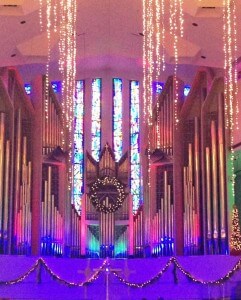
 40 years ago this month, The Bridge International was established in Fort Lauderdale, Florida.
 In the last few months, there have been increasing public media attention given to one of the fastest growing criminal syndicates in the world: the murky underworld of sex trafficking, especially among children.

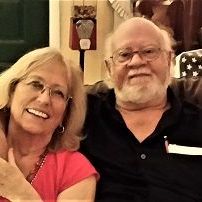 If you want to know what a Servanthood Leader is, take a look at the testimony of the lives of Cal and Gerry Ray. Their lives reflect Philippians 2:1-11, where the Apostle Paul describes Jesus, although being God, willingly laid aside His glory and became a bondservant of all!
 I have the unique opportunity to travel between North America and East Africa quite often. Ministry responsibilities require my presence on two continents. They are separated not only by distance, but also by culture. North America being historically a Western Judeo Christian culture. East Africa lies at the frontier of traditionally Eastern Oriental cultures. As missionaries, much of our advance training was focused on Cross-Cultural Adaptation. Knowledge and skills for Immersion, Infiltration and Impact. It’s one thing to “Go!” It’s quite another to be fruitful…especially if you find yourself in a Spiritually Hostile Culture.
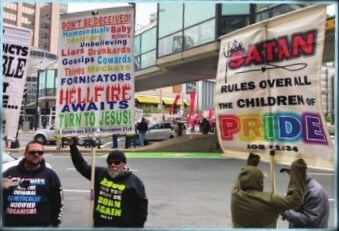
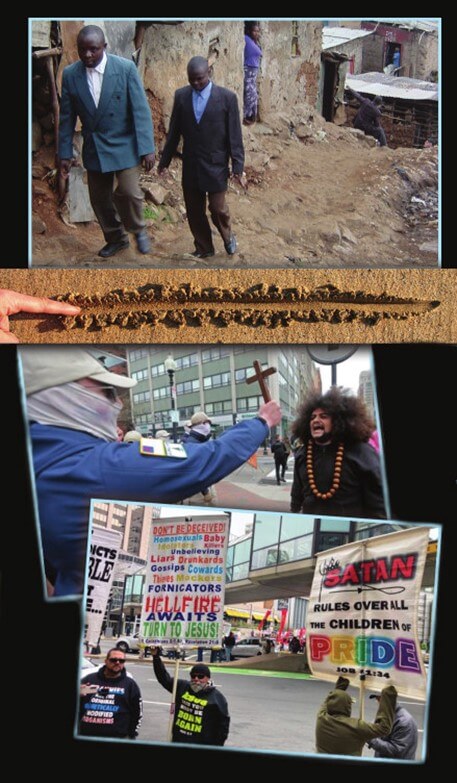 The “Wicked one” continues his “sway” to this day. And seems to be doing a yeoman’s job of it. The Enemy of our souls has his foot on the accelerator. Down to the floor. The whole world is in an uproar today. Not just boisterous little identity groups…but entire nations. Indeed, even whole cultures. The Signs of the Times indicate a new season of unparalleled spiritual degression, cultural suicide and fashionable Paganism. Boston hosts “Satancon 2023”. Palm Springs boasts “Coachella”. Colorado churches provide Ayahuasca drug retreats. Wall Street sponsors Pride parades. As missionaries, we see the Signs of the Times quite starkly. It’s a new “shock and awe” of Cultural Dissonance for us…but in Reverse! Let me explain…
 Case in point: the ongoing disintegration of main-line Christian denominations in the West. (Anglicans, Methodists, Lutherans, Presbyterians, etc). are in all sorts of theological turmoil over fundamental principles. Who has drawn the line in the sand? The churches in Africa and Asia! Who has stepped “over the line” into apostasy and heresy? The churches in the West! It is the bishops of Africa that are most vocal about the need to “return to our roots” as God-fearing Christians. By failing to recognize this epic Reversal, we are apt to continue on as before…and become increasingly irrational, ineffective and irrelevant in our own society and culture! Jesus rebuked the religious leaders of His day for much the same…