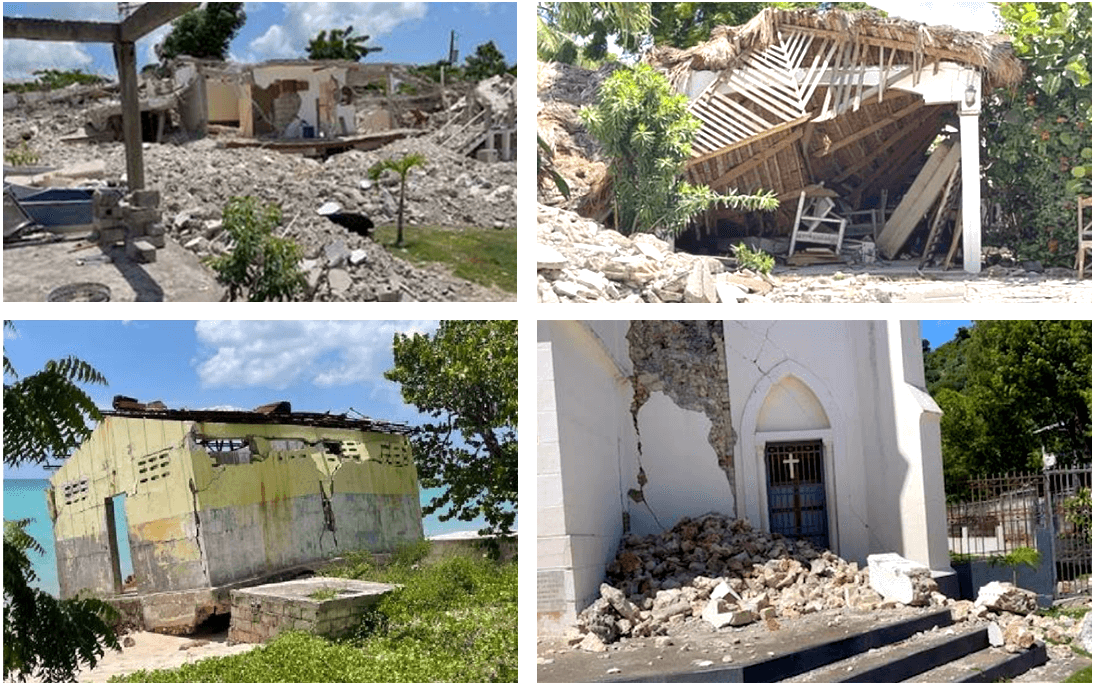
On August 14, a 7.2 magnitude earthquake rocked Haiti’s southern peninsula, releasing almost twice as much energy as the 7.0 magnitude quake in 2010.
The quake struck 78 miles west of Haiti’s capital, Port-au-Prince, and affected two cities, Les Cayes and Jeremie, resulting in major devastation with people caught under rubble and collapsed buildings. Phone lines were down near the epicenter of the quake. It took some time for the news to emerge from those cities. The only road linking Port-au-Prince to the affected area is dangerous and at times impassable due to gang violence, so the transport of relief aid is slow and laborsome.
This same region was battered by Hurricane Matthew in 2016, which killed nearly 900 people and reportedly destroyed 90% of some areas, including the main road connecting the peninsula to the capital. The region was still recovering from that disaster when the quake happened. It also coincided with immense national political turmoil following the July 7 assassination of its leader, President Jovenel Moïse.
Haiti remains one of the poorest in the world, with 60% of the population earning less than $2.00 a day. A power vacuum, severe poverty and rampant gang violence has left the country ill-prepared to handle a disaster of this scale.
UNICEF’s August 29 publication reported the following statistics: As of Saturday, 21 August the country counted 2,207 deaths and 12,268 wounded. Approximately 52,953 houses were completely destroyed and 77,006 severely damaged, while 650,000 people are in need of humanitarian assistance, including 260,000 children. Severe damage to infrastructures such as hospitals, schools, water systems and roads have left basic social services in a dire situation. Tropical storm Grace reached the country on Monday, 16 August, triggering mudslides, hampering relief efforts and weakening the already fragile telecommunication system.
Disaster Relief Provided by BCDC in Partnership with CINHP
by Sharon Cushing
Those who survived the August 14th earthquake and subsequent Tropical Storm are still in grave danger. The earthquake demolished buildings, killing thousands. Landslides buried homes, businesses, farms, gardens, and livestock. Water is in short supply as many cisterns were destroyed by the earthquake and natural water sources have been contaminated. Roads and bridges were damaged or destroyed, making it difficult for aid to reach the affected towns.
Many are homeless or injured and hunger is rampant in the hardest-hit areas. Gangs continue impeding delivery of humanitarian assistance – attacking convoys and stealing food and supplies. In a place where food insecurity was already a problem this has made the predicament increasingly dire.
Homeless women and children are especially vulnerable to hunger, violence, and exploitation. COVID-19-related health risks present additional insecurity. Hospitals are overcrowded and the staff overwhelmed. Some areas are remote and nearly unreachable.
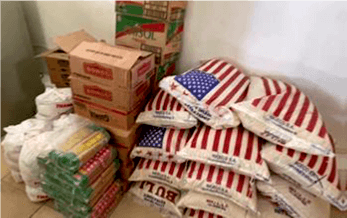 Though our CINHP school is not in the affected area (located in the village of Lesnipasse, 10 km southeast of Port-au-Prince), we received a great outpouring of concern from our donors who wanted to help. To date, $10,000 has been donated through our ministry and sent to our partners at Beraca Community Development Corporation (www.bcdc.org) whose people tirelessly work on the ground in the disaster area. This is a great testament to the goodness of God through his people.
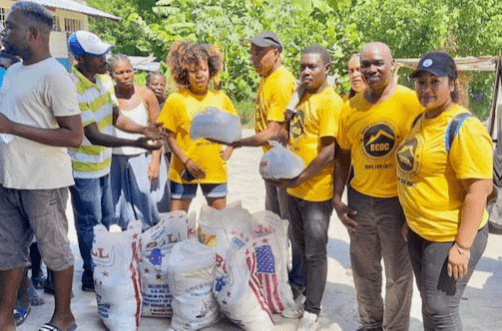 Thankfully, our partners at BCDC have offices near the hardest-hit areas: Port Salut (Les Cayes) and Jeremie. This gives them proximity to those most affected by these twin catastrophes. Beraca’s network of 1700 churches in that region are being used as distribution hubs to expedite assistance to the victims in the ravaged areas and facilitate the ongoing rescue and relief efforts. They administer emergency first aid and supply families with safe drinking water, food, hygiene kits, medicine, tents, blankets, and clothing, which relieves immediate needs. Our donated funds to the Disaster Relief are going to supporting their efforts.
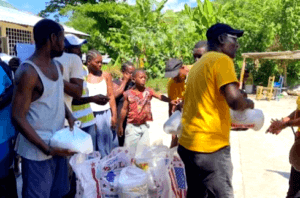 Following Phase 1—Rescue, BCDC will begin Phase 2—Rebuild: helping reconstruct homes, churches, schools, and clinics, restore businesses, replant gardens, and meet other needs. We will work with them as we can.
Teams have been on the ground helping to console those affected and to reassure them that hope is not lost and that they are not alone. They know that God and people like you feel their pain and care. 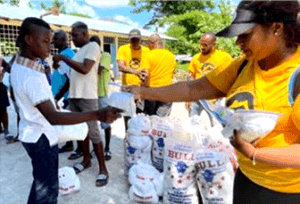 Perhaps this comfort is even more important than the material aid. Please pray for those who do not yet know Jesus – that they’ll be encouraged to seek and follow Him AND that God continues to lead and provide for these vulnerable families.
Please pray for the safety and efficacy of the teams on the ground and that the recipients of their service will know they are loved and cared for. Continue to pray and spread the word to others who might be interested in helping.
HISTORIC BACKGROUND ON THE SERVICES BERACA COMMUNITY DEVELOPMENT CORPORATON HAS RENDERED TO THE PEOPLE IN HAITI
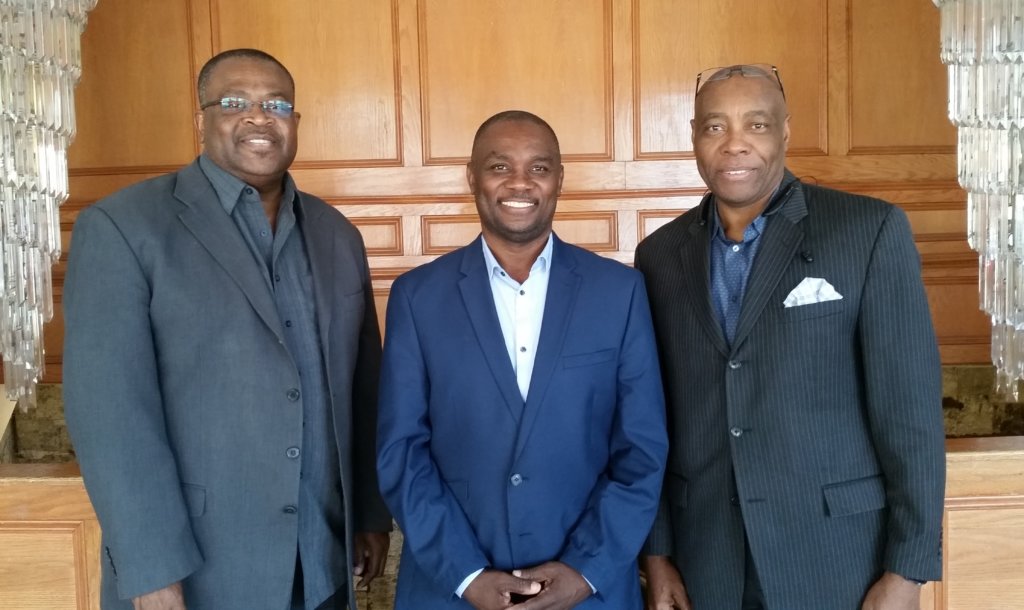
I (R.K.) met Pastor Jean-Pierre Mullery (Center) and two of his Co-Pastors during my visit to their church four years ago.
After the January 12, 2010 7.0 magnitude earthquake in Haiti, Pastor Mullery and his team extended BCDC from NY to Haiti, where they currently serve the cities of Leogane, Cabaret, Jeremie and Cape Haitian with a number of community programs and mercy ministries in addition to planting churches and rebuilding schools and businesses. This has caused scored of impoverished and destitute people in the region to be lifted out of poverty and become productive and fulfilled, as they learn to bloom where they are planted. Following are some of the programs:
- Training and mentoring Pastors and leaders. They are currently training 1700 leaders.
- Creating and sustaining approximately 400 jobs through their motorcycle taxis, micro-lending and mini bus services.
- Conducting mobile medical clinics, bringing healthcare to thousands of underserved Haitians through the local churches in their communities.
- Training and equipping teachers and principals, providing a good education to their students by the use of certified U.S. Haitian-American teachers.
- Planting churches that are the hubs for spiritual and socio-economic health and development in the Haitian communities.
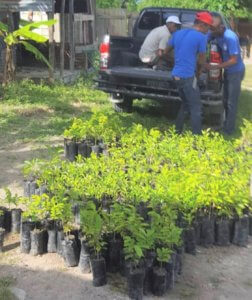
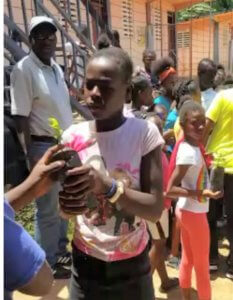 The event of Hurricane Matthew not only devastated the region, but also caused food shortages throughout the nation. BCDC began networking with some of the local churches to re-plant what the hurricane destroyed, which now includes hundreds of churches.
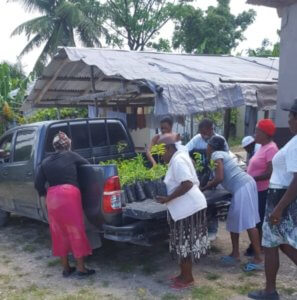 The Reforestation Project focuses on replanting trees in the denuded countryside to help avoid the continued massive erosion of cultivated land in the region. It is known as the breadbasket of the country, as a good portion of the crops that feed Haiti are grown there. For every tree gone, they plant three new seedlings. Teams from Beraca keep traveling to Haiti with needy material, tools, and supplies, and work in partnership with Haitian believers in rebuilding church buildings, community centers, and homes that have been destroyed by the hurricane.
FROM R.K.’S CORNER
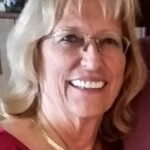 The Bridge partners with two excellent Christian organizations who have been on the ground in Haiti for years, doing outstanding work in serving the local population by helping them improve their and their family’s lives, both spiritually and physically. Children in Need Haitian Project (CINHP) established in NYC in 2005, has been doing an outstanding job in helping educate the children in the town of Lesnipasse, 10 km southeast of Port-au-Prince. Four years ago, Sharon Cushing, CINHP’s Administrator, introduced me to Mullery Jean-Pierre, Senior Pastor of Beraca Baptist Church in Brooklyn, NY, who with his dedicated team has served his Haitian people since 2010 in the region of the recent earthquake. I strongly encourage you to take time to read prior updates on the effective service these two groups of Americans are doing in helping the Haitian people help themselves and bloom where they are planted. You will find those stories on our website, just click on:
https://www.bridgeinternational.org/category/haiti/
If you want to give toward specific emergency items for the hardest hit victims, Sharon has complied a suggested list below
EMERGENCY RESPONSE NEEDS WITH APPX. COSTS:
Personal Needs:
- Meals for a family for a week – $10
- Hygiene kits – $25
- Family emergency shelters – $40
- Water filtration kits – $50
- Solar panel lights with USB charger – $70
Medical Needs:
- Cots for patients at hospitals – $60
- Generators for hospitals – $2,500
- Large canopy tent shelter for hospitals – $15,000
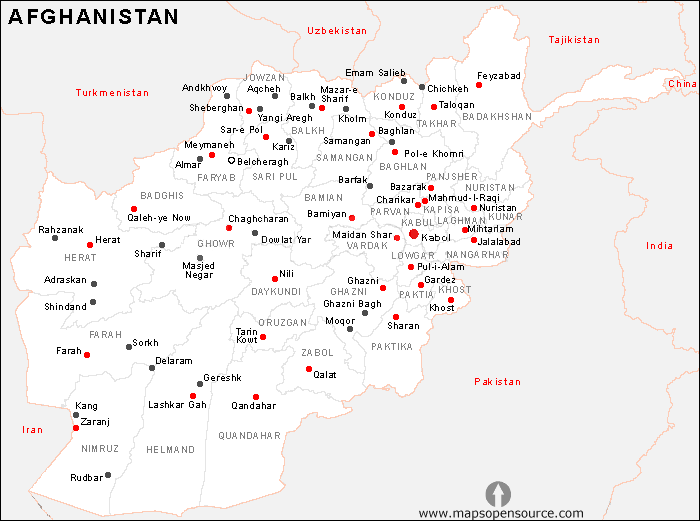
 We had a financial problem since we needed to repay the funds our friends and neighbors had given us for the ransom. So, as I began my university studies, my father also found me a job at a very large ISO international military base containing foreign troops from many different countries. I was assigned to the Project German Training Team. The first three months I cleaned the barracks. Later, I was entrusted a better job as security guard inside the camp. I shared room with an Afghani German translator, and we became very good friends.

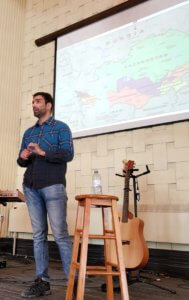
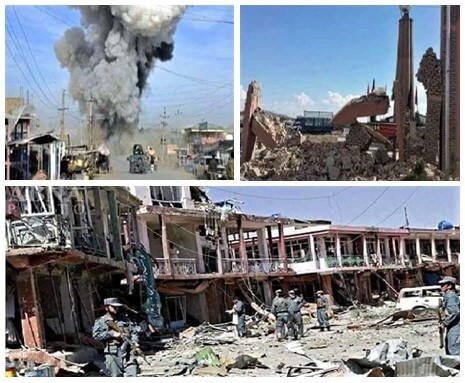 We knew they would kill us, not only because we had changed religion, but also because we had been working with foreigners at a military camp. We decided to escape. We packed up some clothes and money and left during the night for the neighboring country, Tajikistan. At the border town we hid in a hotel for three days, waiting for a friend to get us our passports and a visa to get into Russia. But it was too late. The Taliban was looking for us and had blocked our passports. They published our pictures on the local TV news, everybody was looking for us.
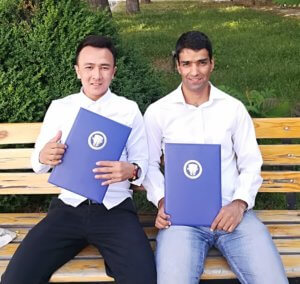
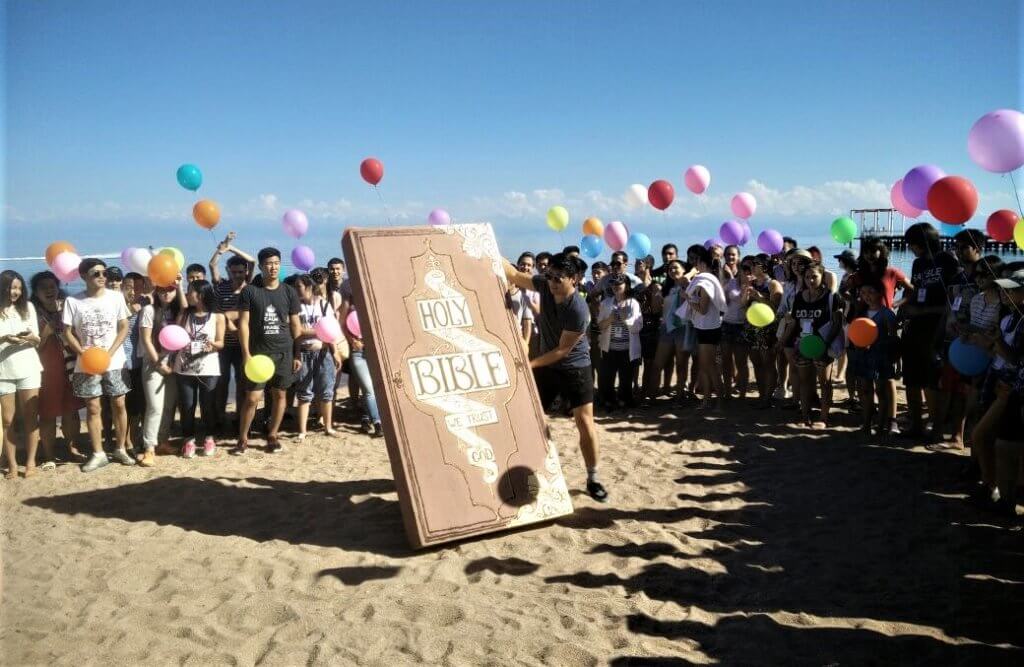
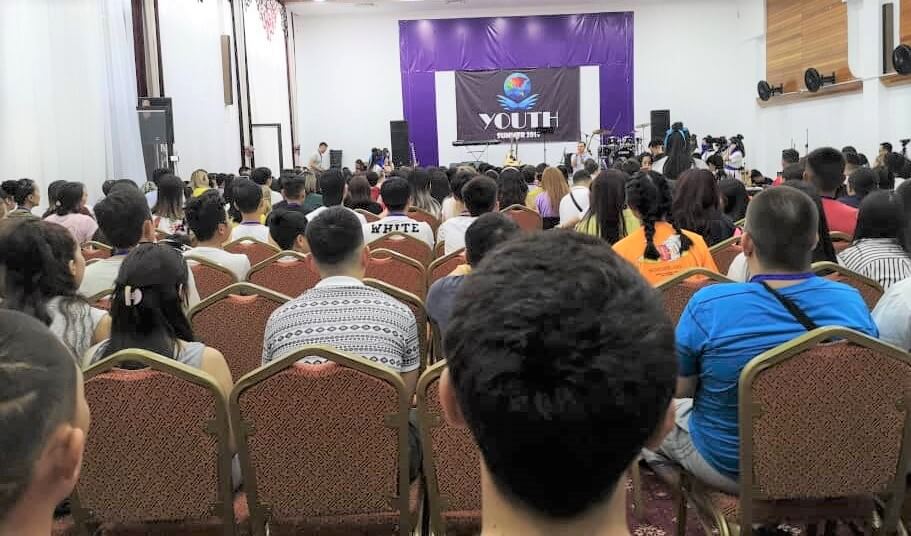 Simultaneously, I studied the Word of God, and began sharing my faith among Muslims from many countries using the Qur’an as a door opener to point to ISA—Jesus, God’s Son, the Savior of the World! I became the leader of the International Christian Student Fellowship. I know God kept me in Kyrgyzstan for those years to teach, train, and mature me in the faith to be a witness for Him to my people, and Muslims in other places!

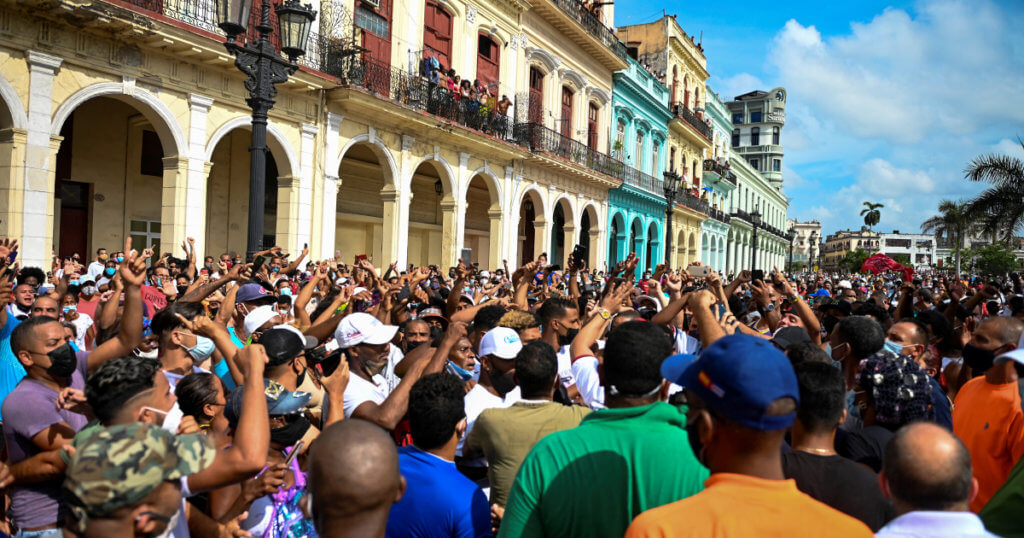
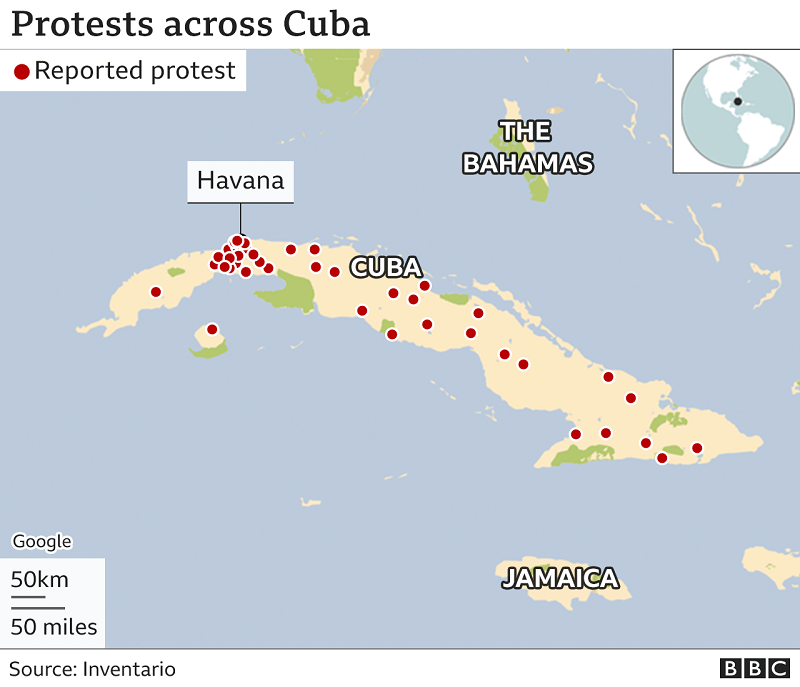 The grassroots organizers used social media to spontaneously mobilize the public countrywide. Videos quickly spread of protestors flipping over police cars, looting stores and throwing rocks, all capturing international attention. An anonymous protestor in San Antonio stated, ’We are not afraid. We want change, we do not want dictatorship anymore’. The Cuban government responded in kind: ’The order to fight has been given–into the street revolutionaries!’ declared President Miguel Diez-Canal as he dispatched his military machine.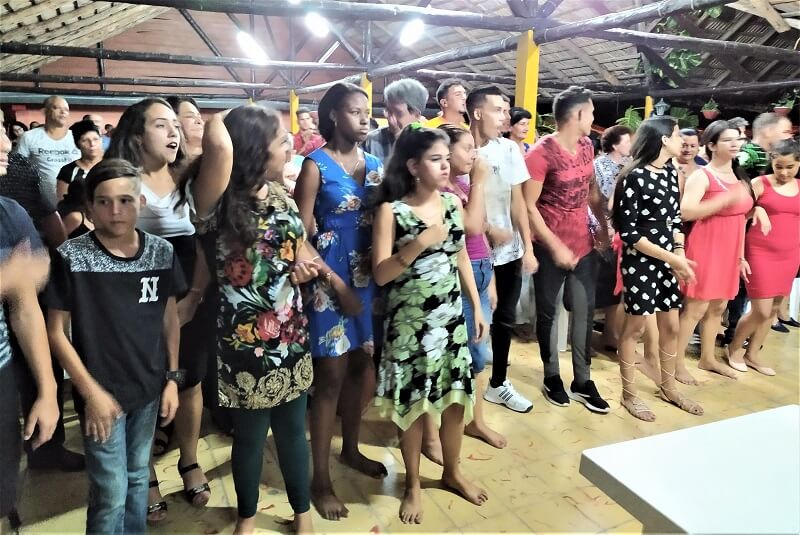
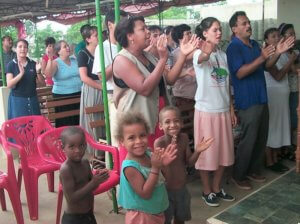 During the last eight months all church buildings have been closed. The pandemic has put the authorities on high alert as lack of proper food and vitamins are causing thousands and thousands to be infected with Covid-19 and hundreds are dying daily. The Church has risen to the occasion, being the only voice and messenger of hope of life for the nation of Cuba. With the disadvantage of having all church gatherings shut down, the Pastors and church leadership in Cuba have turned that into an advantage—using their creativity and innovation. They have invaded social platforms like Telegram, WhatsApp, etc. with a clear message: calling believers to prayer and fasting.
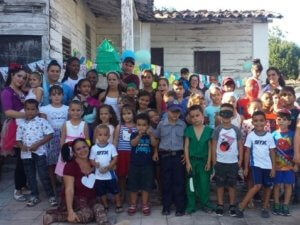 I know Pastors who have created groups on Telegram where they preach to 50 people or more at a time and record these messages. Then, everybody in the group distributes them to others who have prayer requests and are seeking to know the Living Jesus Christ, the Hope of Glory! One Pastor started preaching his sermons to a group of 10 on social media, which has now increased to 150 followers. Each of them downloads and resends these messages to hundreds more who are interested in the Living Word of God.
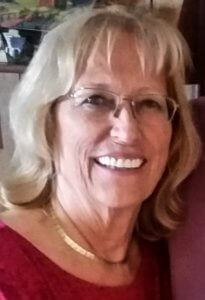 It is almost unimaginable that only 90 miles from the shores of Miami, one of the wealthiest coastlines in the United States, perhaps even the world, there is an island with a population of a little more than 11 million people who, except for a very wealthy governing elite, live in abject poverty. For 62 years, Cuba has been controlled by a ruthless Marxist dictatorship which has oppressed, repressed, and suppressed their people’s lives and liberty. On July 11, the people of Cuba shook off their fear of reprisals, took to the streets where they openly protested against tyranny and demanded freedom and liberty. The world is taking notice!
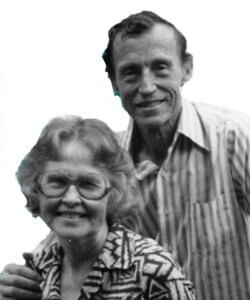 Great works often have humble beginnings. The foundation for PAZ International was laid in the 1950’s with Melvin Huber, a 36 year old farmer in the heartland of America. He and his wife, Katherine, had worked hard to make their farmland profitable, and were beginning to enjoy the fruit of their labor. With a loving wife, three children and one on the way, a supportive extended family and a good church, Melvin’s life was good. Then, one day, while working in the field, the Lord spoke to him, “You have received everything you wanted. But—what about those who have never heard about My love, and are dying and going to Hell?”
 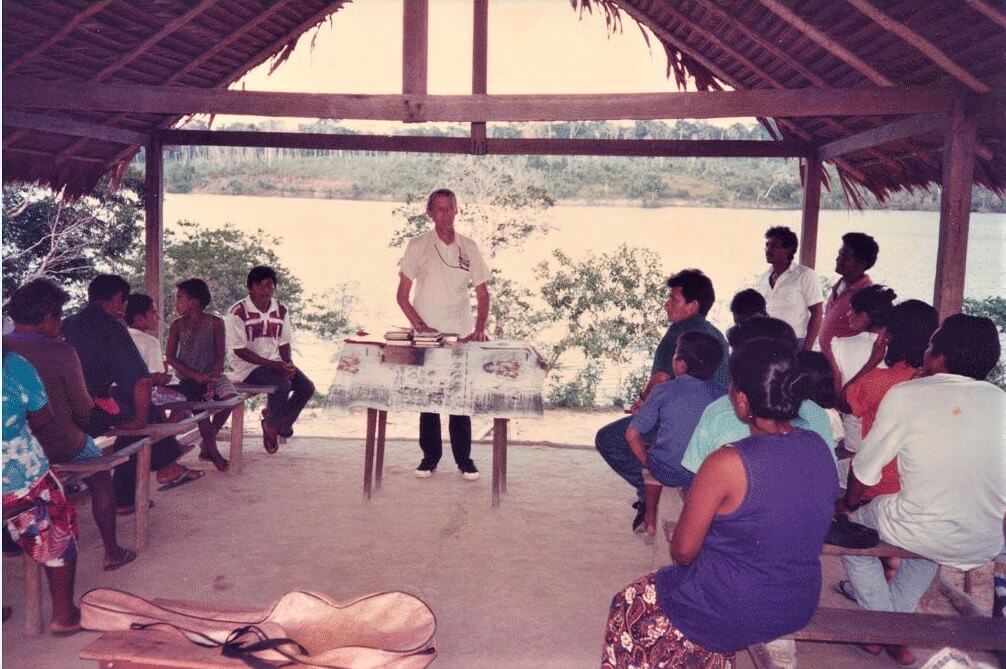 Melvin bought land, but never farmed it, as God blessed their past endeavors to become self supported, full time missionaries. Melvin combined the preaching of the Gospel with practical solutions to improving people’s life conditions.
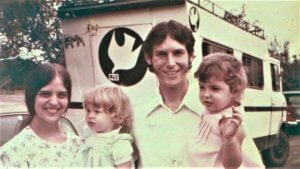 PROJECT AMAZON (PAZ) was established by Melvin and Katherine’s oldest son, Luke Huber. While in college in the States, he had met Christine, who also grew up with missionary parents. In 1973, after graduation, they married and returned to Luke’s family in Central Brazil, both with a zeal for Jesus and the Great Commission. They were assisting Melvin in his church planting, but both Luke and Christine had an increasing desire to bring the Gospel to the unreached peoples in the Amazon Basin.
 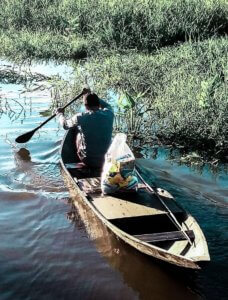 “My husband learned that the immense Amazon Basin (see map) was one of the larger unreached areas of the world, with tens of thousands of isolated villages, and millions of very poor people who had no one to tell them the good news of salvation through Jesus Christ. Most of the villages had no schools or medical help. Baby mortality was high, due to impure water and unhealthy diets. There were no roads to reach these villages, and at that time, there were no television, nor internet. The very few who owned small boats often did not have fuel. It could take any number of days to travel by boat across the wide ocean-like Amazon River or one of its huge tributaries to reach the nearest town, often through sudden, dangerous storms and rough waters.”
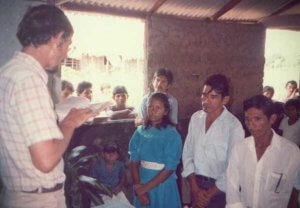 They found that Santarém and the surrounding river villages were ripe unto harvest. Luke found village after village along the river with no evangelical church. It was in those early days that God gave Luke and Christine the vision that was to become the very heart of PAZ: to plant a church in every village and town in the Amazon Basin. @PAZ
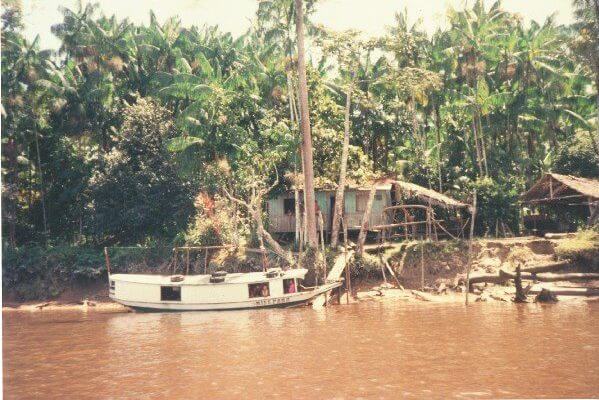 Over the next few years, Luke’s parents and all his siblings with spouses and children—the entire Huber family, moved to Santarém to work with PAZ. Additional missionaries also caught the vision and came from the United States. Luke began to build a fleet of diesel-powered riverboats to carry evangelists, church planters and health workers into the surrounding river communities. In some towns and villages the Gospel was met by opposition— sometimes even persecution— from spiritualists and works-based religions.
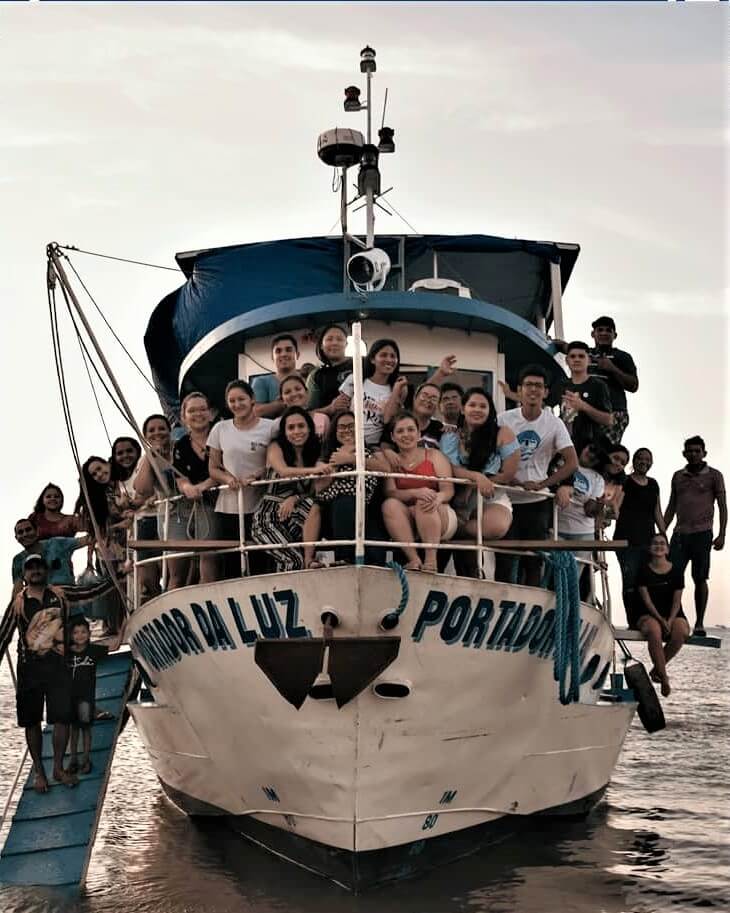 But the PAZ church, like the early-day church in Jerusalem, grew rapidly in the face of opposition. It is a testimony to God’s power and mercy that many of the Brazilians who once opposed the Gospel so fiercely, have since been won over and become important leaders and teachers in the PAZ churches.
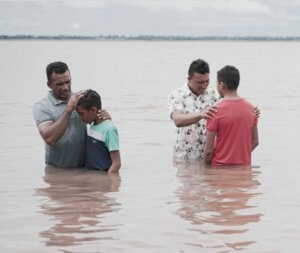
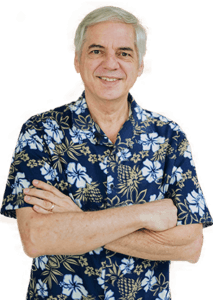
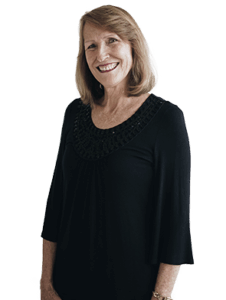 The Huber family is still active in PAZ. Today, it is led by Jeff and Becky Hrubik (Luke’s sister). They live at the mission home base in Santarém, and oversee a self supported staff of missionaries and the mission activities at large.
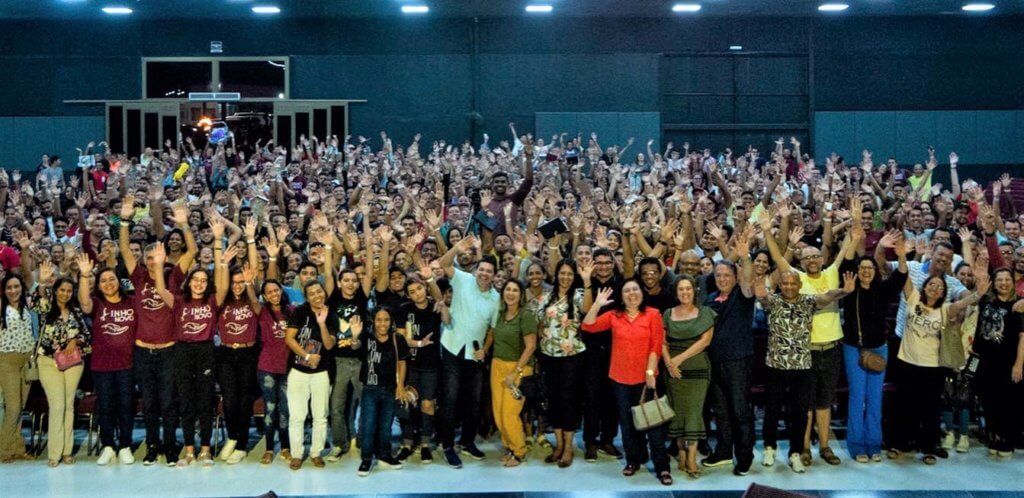
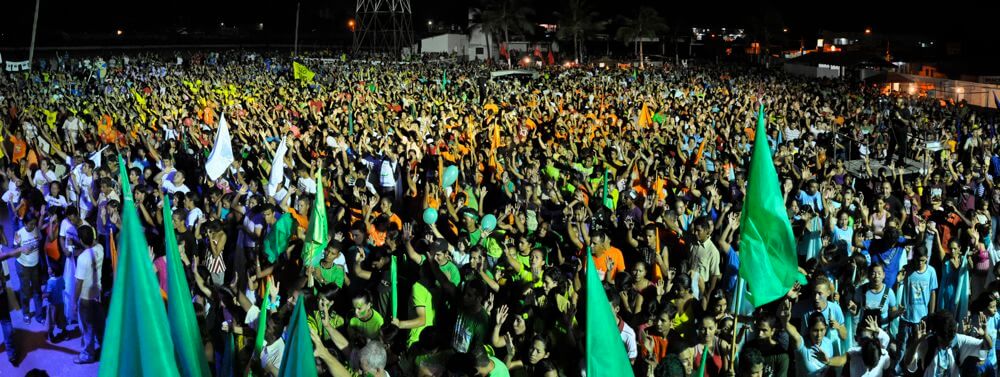
 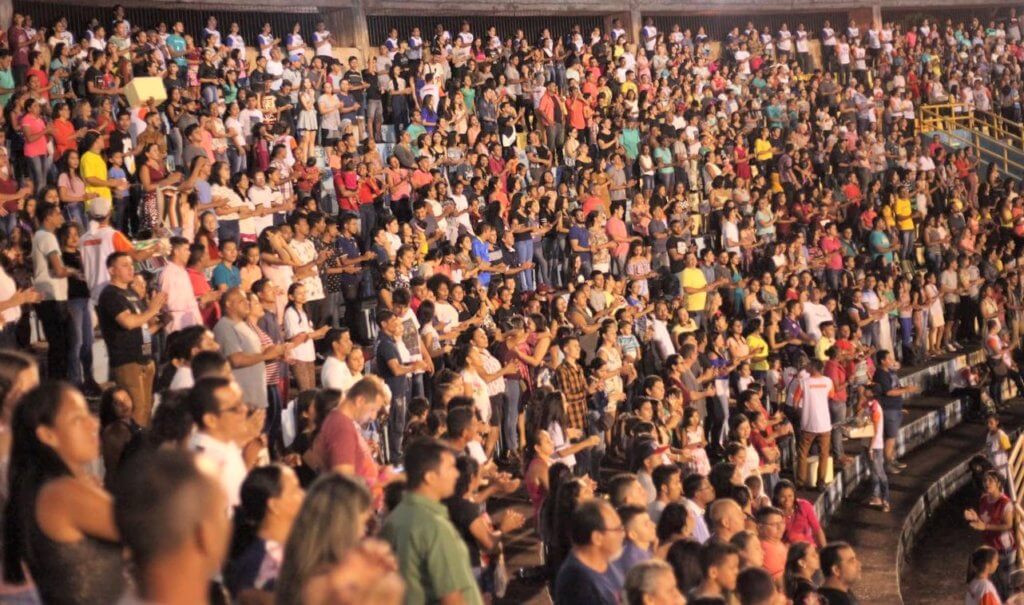 The church in the city is unified like never before. It keeps expanding and producing thousands of new believers and leaders. To accommodate all our members, we conduct over 50 services each Sunday, four at the Paz Central Church alone! We are in the process of building a 7,000 plus seat worship center that will accelerate the PAZ vision and stand as a testament to God’s great favor and desire to spread His fame to all nations. It will be a training center for thousands of missionaries that will be commissioned to the Amazon Basin, Brazil and yes — by God’s grace, to the ends of the world!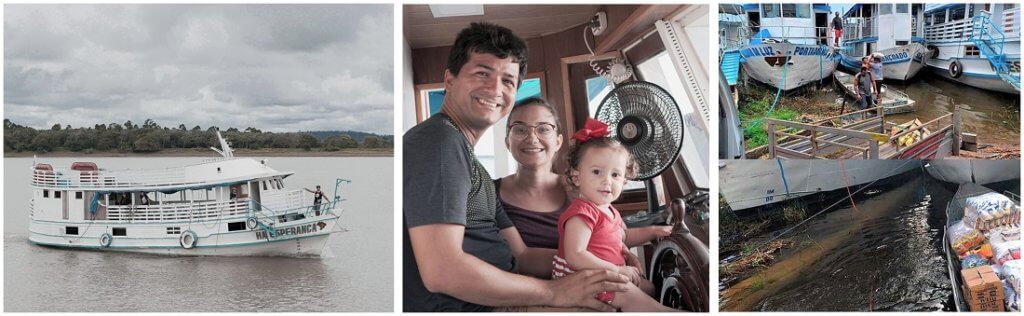
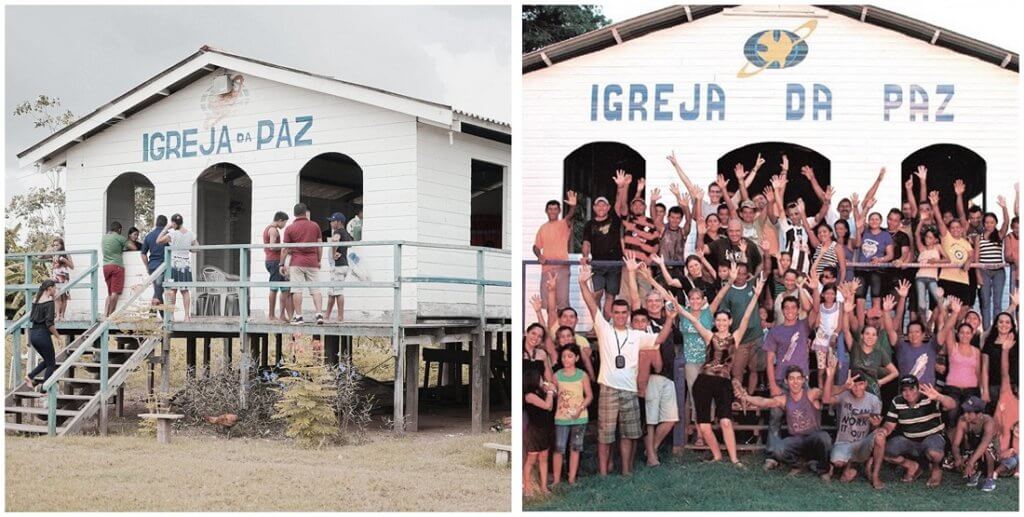
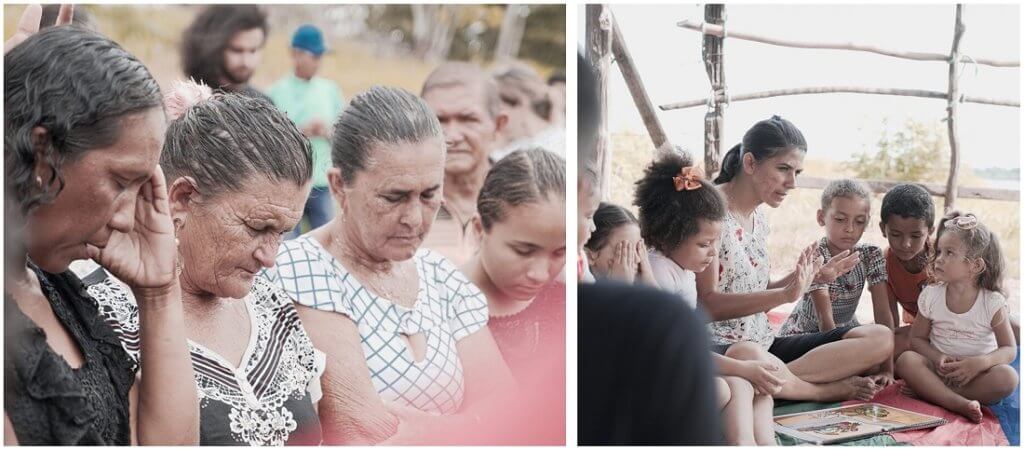
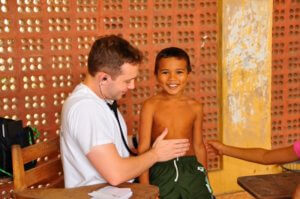 We develop key ministries which aid in church-planting, such as medical, water filter, education, construction, work programs, aviation and more. For example, a medical team will arrive in a target community via boat and host a health clinic while the water filter team installs filters.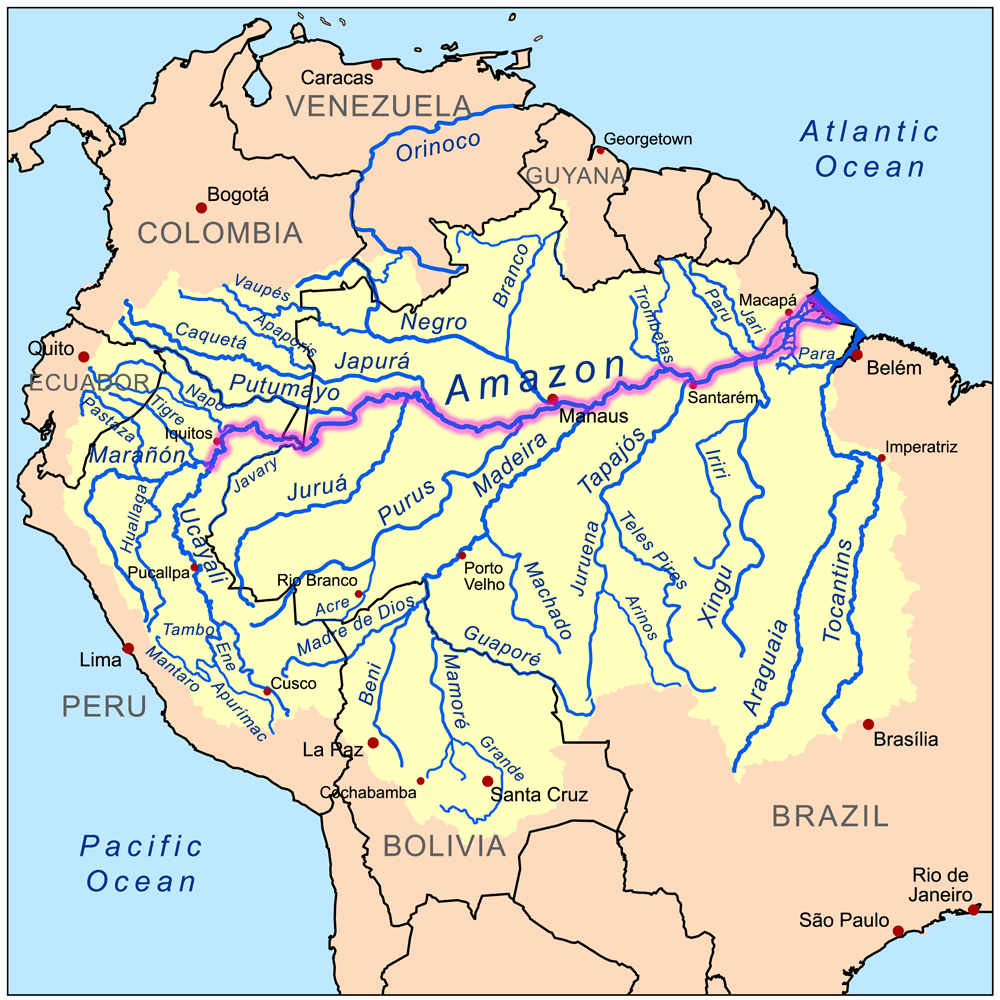
 Then Jesus came to them and said,